
Vitiligo
Evidence-based treatment (Part 1)
Three goals, in order: stop the spread, restore pigment, prevent relapse. Most treatment plans combine two or more approaches, because combinations consistently outperform single agents.
Summary table
| Treatment | Best suited to | Evidence | Time to visible response |
| Sun protection & camouflage | All patients | Strong (protective), high patient satisfaction | Immediate (camouflage) |
| Topical corticosteroids | Limited disease, body sites | Well established | 2–3 months |
| Topical calcineurin inhibitors | Face, neck, folds; children; maintenance | Strong; first line for facial disease | 2–4 months |
| Topical JAK inhibitor cream | Non-segmental vitiligo with facial involvement, age 12+ | Randomised controlled trial evidence; registered in HK | 3–6 months, continuing to 12 months |
| Narrowband UVB | Widespread or progressive disease | Strongest evidence for extensive disease | 3 months minimum; treat 6–12 months |
| 308nm excimer | Localised disease, under ~10% body surface | Strong for localised disease; faster than whole-body UVB | 1–3 months |
| Oral mini-pulse steroids | Rapidly spreading disease | Moderate; used to arrest progression | 1–3 months to halt spread |
| Oral JAK inhibitors | Extensive disease unresponsive to the above | Phase 3 data; under regulatory review, currently off-label | 6–12 months |
| Surgical grafting | Stable segmental or focal disease, stable ≥12 months | Strong in correctly selected patients | 2–6 months |
| Adjunctive (fractional laser, PRP, oral antioxidants) | Resistant sites, as an add-on only | Low to moderate quality | Variable |
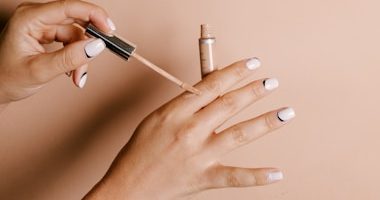
Sun protection and camouflage
Depigmented areas have no melanin protection and burn readily. Broad-spectrum SPF 50+ daily is standard, particularly in Hong Kong's UV climate. Sun protection also reduces contrast with surrounding areas and limits Koebner-type spread after sunburn.
Camouflage deserves more respect than it usually gets. Dihydroxyacetone self-tanning preparations and cosmetic camouflage produce an immediate, meaningful improvement in quality of life while slower treatments work in the background. For many patients this is the single most useful thing offered in the first consultation.

Topical treatments
Corticosteroids. Potent or very potent preparations remain effective first-line treatment for limited disease on the body. They are used intermittently — for example weekdays only, or two weeks on and two weeks off — to reduce thinning, stretch marks and visible vessels. Not appropriate for long unbroken courses on the face or in folds.
Calcineurin inhibitors (tacrolimus, pimecrolimus). First-line for the face, neck, eyelids and skin folds, where they match topical steroids for effectiveness without causing thinning. Particularly valuable in children. Response on the face is good; response on hands and feet is poor. A transient burning sensation in the first week is common and settles.
Topical JAK inhibitor cream (ruxolitinib). Ruxolitinib cream, a novel formulation of the selective JAK1/JAK2 inhibitor ruxolitinib, is approved by the U.S. FDA for the topical treatment of nonsegmental vitiligo in patients 12 years of age and older, and is the first and only treatment for repigmentation approved for use in the United States. In Hong Kong, the New Drug Application was approved by the Pharmacy & Poisons Board on 4 November 2024, with the registration certificate obtained on 5 November 2024, for non-segmental vitiligo with facial involvement in adults and adolescents from 12 years of age.
In the pivotal randomised trials, approximately 30% of participants achieved 75% improvement in facial involvement at 24 weeks, rising to over 50% by 52 weeks with continued use. Two points follow: results improve substantially between six months and twelve months, so early discontinuation wastes the treatment; and combining it with phototherapy appears more effective than either alone. Suitability, monitoring and cost should be discussed individually.

Phototherapy
Narrowband UVB (311 - 312nm). The best-established treatment for widespread or progressive vitiligo, and one of the few that both halts progression and restores pigment. Sessions are two to three times weekly, with exposure increased gradually. Around half to three-quarters of patients achieve at least 50% repigmentation after 6–12 months, with the best results on the face, neck and trunk.
Practical points: a minimum three-month trial is needed before judging; six months before deciding to abandon it; and treatment may reasonably continue to 12–24 months if progress continues. Adding a topical calcineurin inhibitor or corticosteroid improves outcomes over phototherapy alone.
308nm excimer laser. Delivers targeted UVB to individual patches while sparing unaffected areas — permitting higher doses, faster response and no cumulative whole-body exposure. Preferred for localised disease under roughly 10% of the body surface, and especially effective on the face. Typically twice weekly. Combining excimer with topical tacrolimus outperforms either alone.
Reference:
- Ezzedine K, et al. Revised classification/nomenclature of vitiligo. Pigment Cell Melanoma Res. 2012 — VGICC consensus, basis of the classification section.
- Eleftheriadou V, et al. British Association of Dermatologists guidelines for the management of people with vitiligo. Br J Dermatol. 2022.
- Seneschal J, Taïeb A, et al. European Dermatology Forum / EADV vitiligo guideline (most recent update).
- Rosmarin D, et al. Two Phase 3, Randomized, Controlled Trials of Ruxolitinib Cream for Vitiligo. N Engl J Med. 2022 — TRuE-V1 and TRuE-V2.
- Passeron T, Prajapati V, Sivamani R, et al. Efficacy and safety of upadacitinib in adolescents and adults for treatment of non-segmental vitiligo: results of two phase 3 studies (Viti-Up). Presented at the 2026 American Academy of Dermatology Annual Meeting, March 27–31, 2026, Denver, CO.
- China Medical System Holdings. New Drug Application of ruxolitinib phosphate cream for vitiligo approved by the Pharmacy & Poisons Board of Hong Kong, 4 November 2024.
- Cavalié M, et al. Maintenance therapy of adult vitiligo with 0.1% tacrolimus ointment: a randomized, double-blind, placebo-controlled study. J Invest Dermatol. 2015.
- Bae JM, et al. Phototherapy for vitiligo: a systematic review and meta-analysis. JAMA Dermatol. 2017.
- Middelkamp-Hup MA, et al. Treatment of vitiligo vulgaris with narrow-band UVB and oral Polypodium leucotomos extract: a randomized double-blind placebo-controlled study. J Eur Acad Dermatol Venereol. 2007.
- Hong Kong Drug Office, Department of Health — search the local registration status of any medicine mentioned.